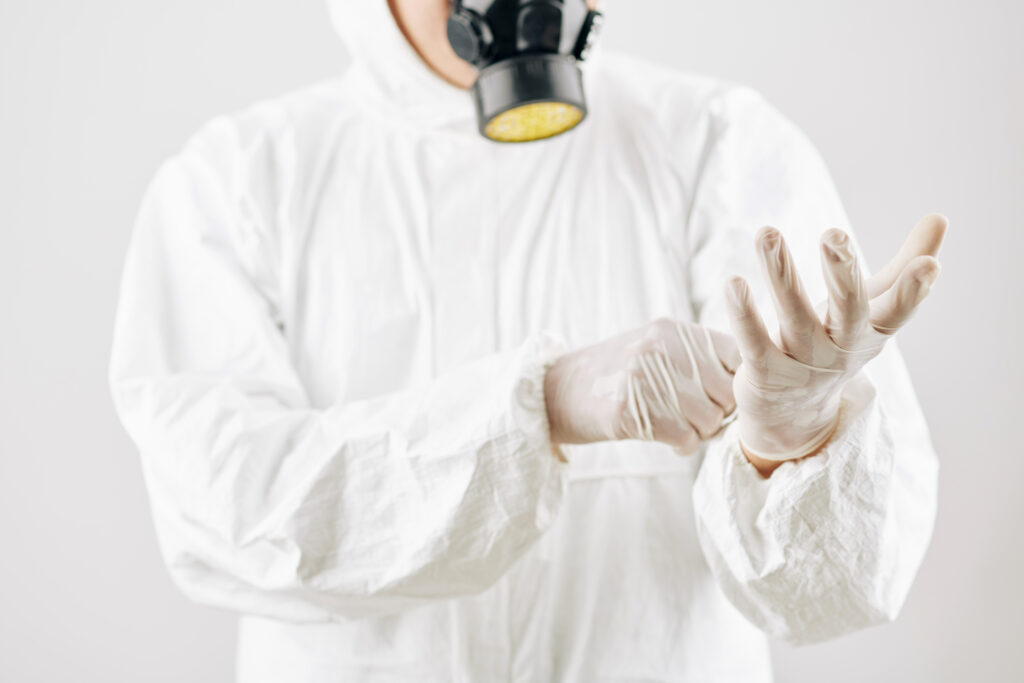
🔧 Our Fire & Smoke Damage Restoration Process
1. Emergency Response & Damage Assessment
We respond immediately to evaluate fire, smoke, and water damage and develop a recovery plan based on your facility’s structure and operational needs.
2. Board-Up & Structural Protection
Damaged openings are secured with board-ups and tarping to prevent further exposure, theft, or environmental damage.
3. Water Extraction & Structural Drying
If water was used during fire suppression, we remove standing water and deploy industrial drying systems to control moisture and prevent secondary damage.
4. Soot & Smoke Residue Removal
Specialized cleaning methods remove soot, smoke film, and harmful byproducts from walls, ceilings, equipment, and structural surfaces.
5. Odor Neutralization
We use commercial-grade deodorization systems to eliminate persistent smoke odors at the source.
6. Repairs & Full Restoration
From selective demolition to complete rebuilds, we restore affected areas to pre-loss condition while maintaining safety and compliance standards.
⭐ Why Choose Onsite Restoration?
• 24/7 commercial fire & smoke emergency response
• Licensed, insured, and IICRC-certified technicians
• Advanced smoke and odor remediation technology
• Extensive experience with commercial restoration projects
• Insurance coordination and documentation support
⚠️ Risks of Fire & Smoke Damage if Left Untreated
• Persistent Odors – Smoke particles penetrate surfaces, ductwork, and materials if not professionally treated.
• Hazardous Residue – Soot contains corrosive and toxic byproducts that can damage equipment and building materials.
• Structural Degradation – Heat and chemical residues weaken framing, ceilings, and support systems.
• Secondary Mold Growth – Water used during suppression can lead to moisture intrusion and hidden mold development.
❓ Frequently Asked Questions
How soon should fire damage restoration begin?
Immediately. Delayed response increases structural deterioration, safety risks, and operational downtime. Our team is available 24/7 for emergency deployment.
Can smoke damage impact building systems?
Yes. Smoke and soot can infiltrate HVAC systems, electrical components, and surfaces, requiring professional remediation.
Do you completely remove smoke odors?
Yes. We use professional deodorization methods such as thermal fogging and ozone treatments to neutralize odors at the source.
Do you work with commercial insurance claims?
Yes. We coordinate directly with insurance adjusters and property management teams to assist with documentation and streamline the claims process.
How long does fire and smoke restoration take?
Project timelines depend on damage severity and facility size, ranging from several days to multiple weeks.